Smartwatch bands by need for daily comfort, active use and style
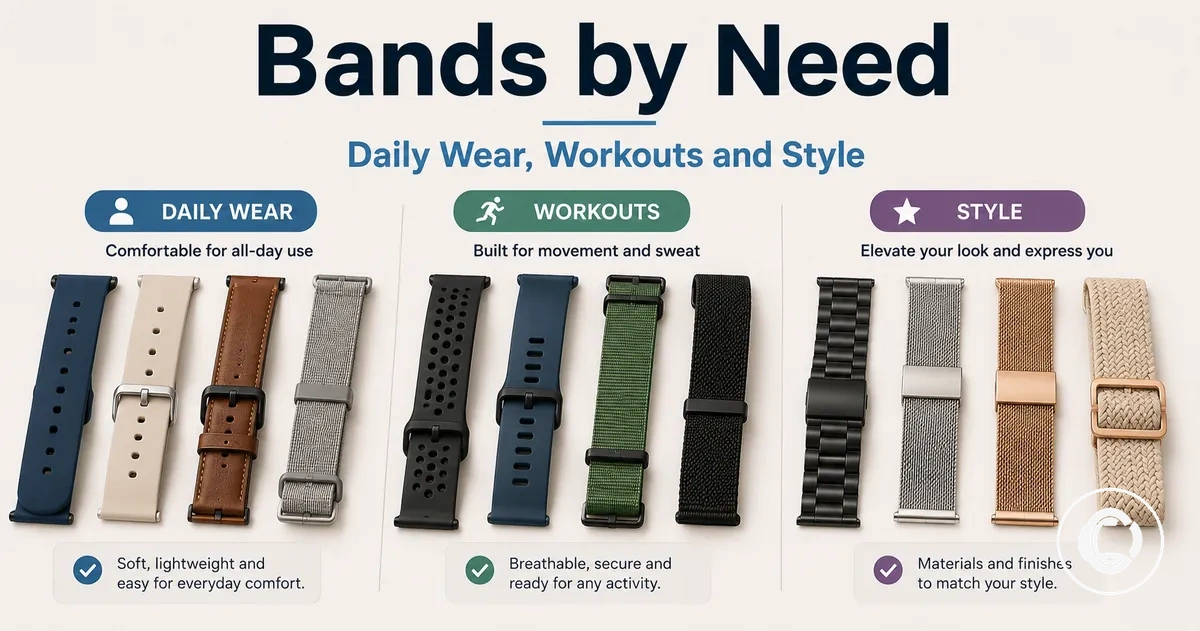
Smartwatch band choice depends on the wearer’s main need, not only the band’s look. The main decision fields are daily comfort, active use and style.
Need-based selection means matching a smartwatch band use case to the attribute that matters most in that situation. A daily band may need softness and adjustability, an active band may need sweat handling and secure fit, and a style-led band may need a restrained material finish. For the broader category context, use the smartwatch bands guide before comparing bands by need.
One band can cover mixed use when its compromises match the wearer’s routine. A soft strap may feel easier for long wear, but it may not be the most practical choice for heavy sweat, water exposure or a formal work setting.
The clearest selection path is use case → required attribute → suitable condition → likely outcome. Start with the situation the band must serve most often, then judge comfort, activity support, work context and appearance before considering product examples.
How wear context changes smartwatch band choice
Wear context changes smartwatch band choice because different situations place different weight on band attributes. The most relevant criteria usually shift between comfort, sweat exposure, appearance and fit security.
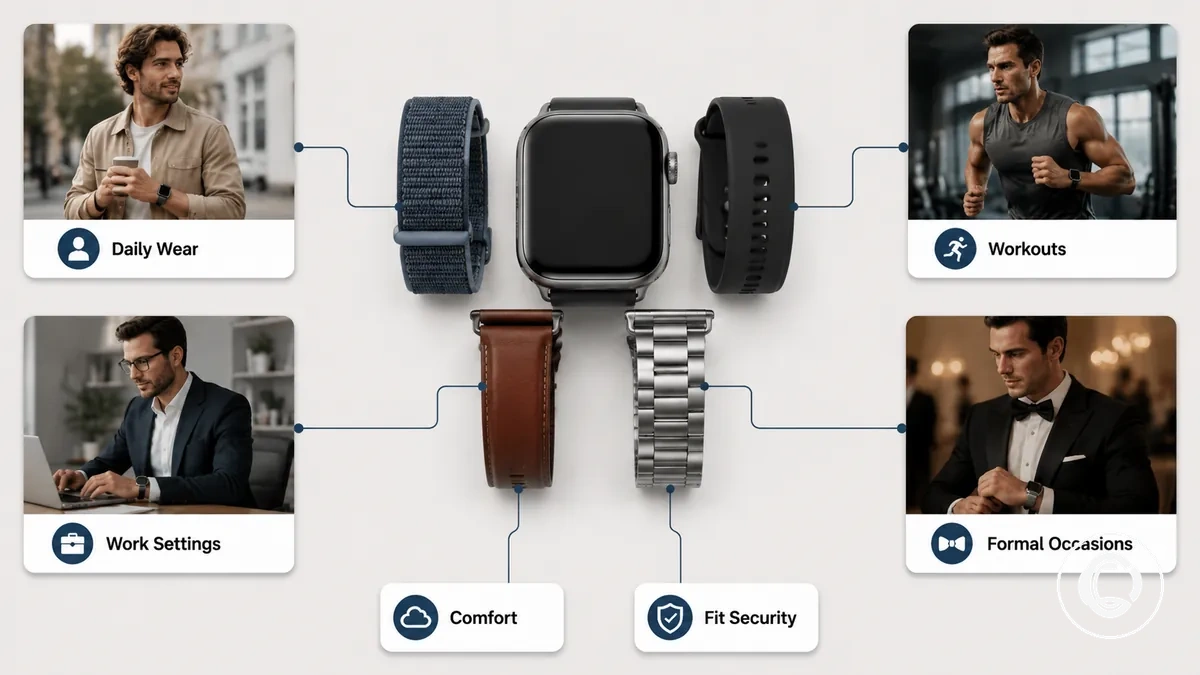
Daily wear often prioritises comfort, adjustability and support for long wear. Workouts usually place more emphasis on sweat exposure, secure fit and ease of cleaning. Work settings and formal occasions may give greater weight to appearance, restraint and material finish, but mixed-use wear can require balancing multiple criteria.
Wear context provides a practical way to evaluate smartwatch band choice before comparing specific options. The table below organizes comfort, sweat exposure, appearance and fit security by use context, condition and likely decision effect.
| Wear context | Selection criterion | Acceptable condition | Decision effect |
|---|---|---|---|
| Daily wear | Comfort and adjustability | The band remains comfortable during long wear and allows fit adjustment. | May support more consistent day-to-day use. |
| Workouts | Sweat exposure and fit security | The band stays secure during movement and is practical to clean. | May be better suited to active routines. |
| Work settings | Appearance and restraint | The band presents a controlled look that suits the setting. | May align more closely with workplace expectations. |
| Formal occasions | Material finish and profile | Leather, metal or a slim profile suits the occasion when appearance is a priority. | May create a more formal presentation. |
These criteria work best as decision guides rather than fixed rules. The final decision depends on the wearer’s most common use context, and the same criteria can help users choose smartwatch bands more consistently.
Daily wear smartwatch bands for comfort and long wear
A daily wear smartwatch band should prioritize all-day comfort, adjustability and skin-friendly wear conditions. A comfortable smartwatch band usually depends on wrist fit, cleaning habits and how the band is worn through long wear.
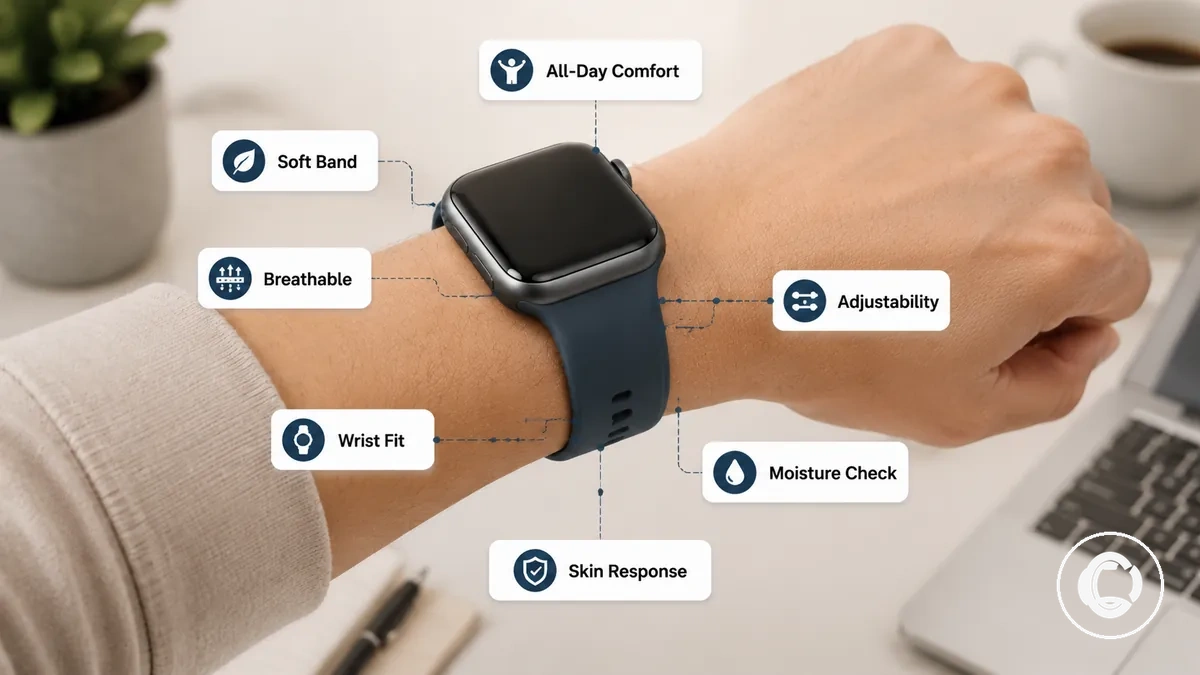
During long workdays, errands and extended wear periods, a soft band can feel easier to keep on for hours at a time. A breathable band may help reduce trapped moisture when movement or warm conditions increase sweat exposure. Even a comfortable smartwatch band can become less comfortable when the wrist fit is too tight, making pressure points and trapped moisture the main risks.
Daily wear smartwatch bands depend on comfort conditions rather than a material name alone. The checklist below helps evaluate all-day comfort by focusing on wear conditions that influence long-wear comfort and skin response.
- Check whether the band feels soft against the wrist during normal daily wear.
- Check whether the band allows airflow that supports a breathable band experience.
- Check whether adjustability makes small wrist fit changes easy throughout the day.
- Check whether the clasp or loop remains comfortable during movement and desk work.
- Check whether moisture can become trapped after sweat, heat or extended wear.
- Check whether the band is practical to clean as part of regular cleaning habits.
- Check whether the wrist develops pressure points during long wear.
Deeper guidance may be useful when sensitive skin reacts repeatedly despite reasonable fit adjustments and regular cleaning. In those situations, additional information about comfort and sensitive skin can help clarify factors that influence skin response.
Workout smartwatch bands for sweat, water and secure fit
A workout smartwatch band usually needs sweat handling, water resistance, grip and quick drying more than dress-focused appearance. The right workout smartwatch band depends on activity intensity, movement level and cleaning requirements.
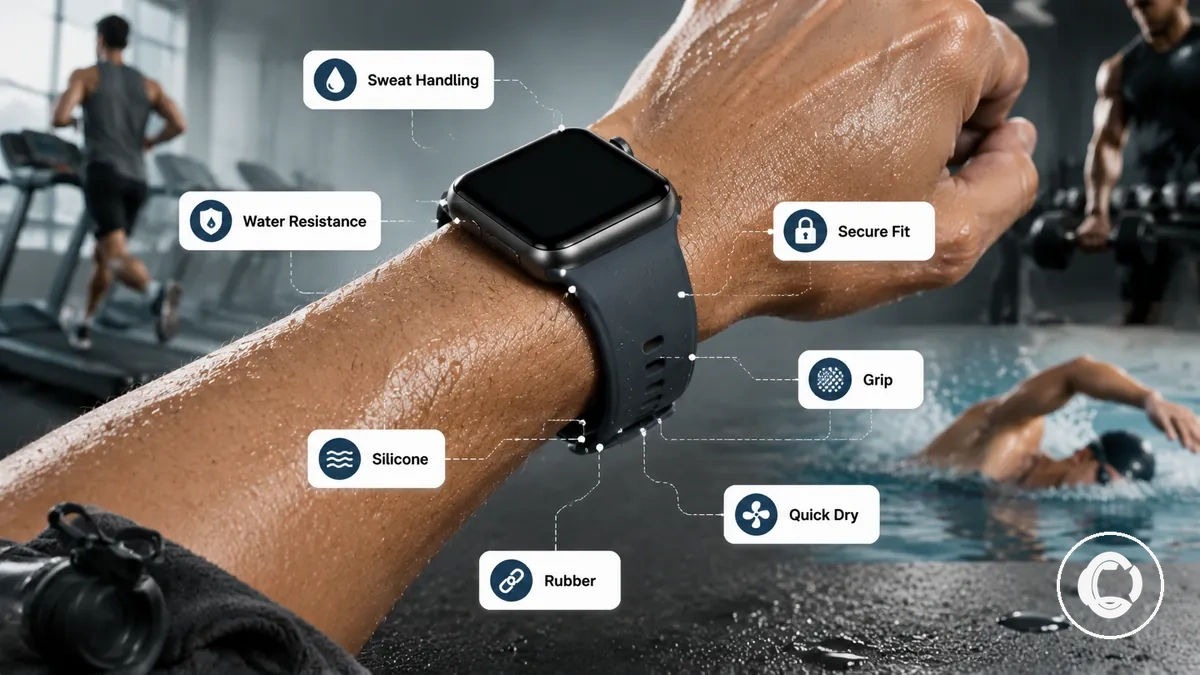
Sweat, repeated movement and frequent cleaning can place different demands on a smartwatch band during exercise. A sport band made from silicone or rubber may be easier to clean after activity use. Regardless of material, secure fit remains a practical requirement when movement increases.
Workout smartwatch bands differ according to sweat exposure, movement intensity and cleaning needs. The comparison below shows how common workout conditions can influence band selection.
| Band material or build | Workout attribute | Condition | Selection effect |
|---|---|---|---|
| Silicone sport band | Sweat handling and cleaning | Frequent sweat exposure | May be easier to maintain after workouts |
| Rubber sports strap | Grip and secure fit | Higher movement activity | May help the band stay more stable on the wrist |
| Quick-drying band design | Moisture management | Water exposure or heavy perspiration | May reduce the time the band remains damp |
| Adjustable sport band | Fit control | Changing activity intensity | May support more consistent wrist stability |
Gym sessions often place more emphasis on grip and cleaning, while running may increase the importance of secure fit during repeated movement. Swimming-adjacent activities can make water resistance and quick drying more relevant, and outdoor exercise may combine multiple conditions at once. The final choice still depends on watch model, wrist fit and activity conditions.
When exercise becomes a regular part of the routine, a daily band or dress band may not provide the same balance of sweat handling, cleaning convenience and secure fit. For activity-focused selection criteria, explore workout smartwatch bands in more detail.
Smartwatch bands for work, formal wear and style
Smartwatch bands for work, formal wear and style usually depend on restrained appearance, material finish and low-profile comfort. A leather band, metal bracelet or slim band can suit different appearance needs when matched to the setting. The most suitable choice depends on outfit context and the level of formality expected.
In an office setting, an understated work strap may blend more naturally with professional clothing. In smart-casual situations, a slim band or appearance-led band can balance comfort and style without appearing overly formal. For formal wear, material finish and profile often carry more visual weight, which can make a sport band look too casual by comparison.
Smartwatch bands for work, formal wear and style are often evaluated by appearance attributes rather than activity features. The comparison below shows how material finish, profile, colour restraint and outfit context can influence suitability.
| Smartwatch band | Appearance attribute | Setting condition | Suitability effect |
|---|---|---|---|
| Leather band | Refined material finish | Work setting or formal wear | May create a more understated appearance |
| Metal bracelet | Structured profile | Professional or dress-focused outfit context | May complement more formal clothing choices |
| Slim band | Low-profile design | Smart-casual or office use | May feel less visually dominant on the wrist |
| Sport band | Activity-focused appearance | Casual outfit context | May be more practical for movement but less formal in appearance |
A common assumption is that dressier materials automatically provide a better experience in every work or formal setting. In practice, a leather band or metal bracelet still needs a comfortable fit and suitable wear profile for the intended use. In many cases, an understated band with a balanced profile offers a practical compromise between appearance and everyday comfort.
Material and fit trade-offs across daily, sport and dress needs
Material and fit choices behave differently across daily, sport and dress needs because each use condition prioritizes different attributes. A band that performs well for one purpose may involve trade-offs in another, making material and fit decisions context-dependent.
During daily wear, a strap material may emphasize comfort and long wear, while active use may place more importance on water handling, security and cleaning. The same material can support one need and create limitations in another setting. These trade-offs are often evaluated through comfort, breathability, water handling, security, cleaning and style.
Material and fit trade-offs become clearer when attributes are compared against use conditions rather than judged in isolation. The table below compares how common band materials and fit considerations influence decisions across different needs.
| Material or fit feature | Attribute | Use condition | Decision outcome |
|---|---|---|---|
| Silicone | Water handling and cleaning | Sweat exposure and activity use | May be practical when moisture and frequent cleaning are priorities |
| Nylon | Breathability | Long wear and daily use | May support airflow and day-to-day comfort |
| Leather | Material finish and style | Work or dress needs | May suit appearance-led situations more than activity-focused use |
| Metal | Structured style | Formal wear and professional settings | May provide a more refined visual profile |
| Adjustable fit | Security and comfort | Movement and extended wear | May help balance wrist stability and wear comfort |
No single material or fit approach serves every need equally well. Comfort, security and style often depend on how the band material and wrist fit interact with the intended use condition. Fit pressure and skin response can vary by person, so the most useful decision signal is matching the material and fit attributes to the situation where the band will be used most often.
Soft nylon and fabric options for all-day comfort
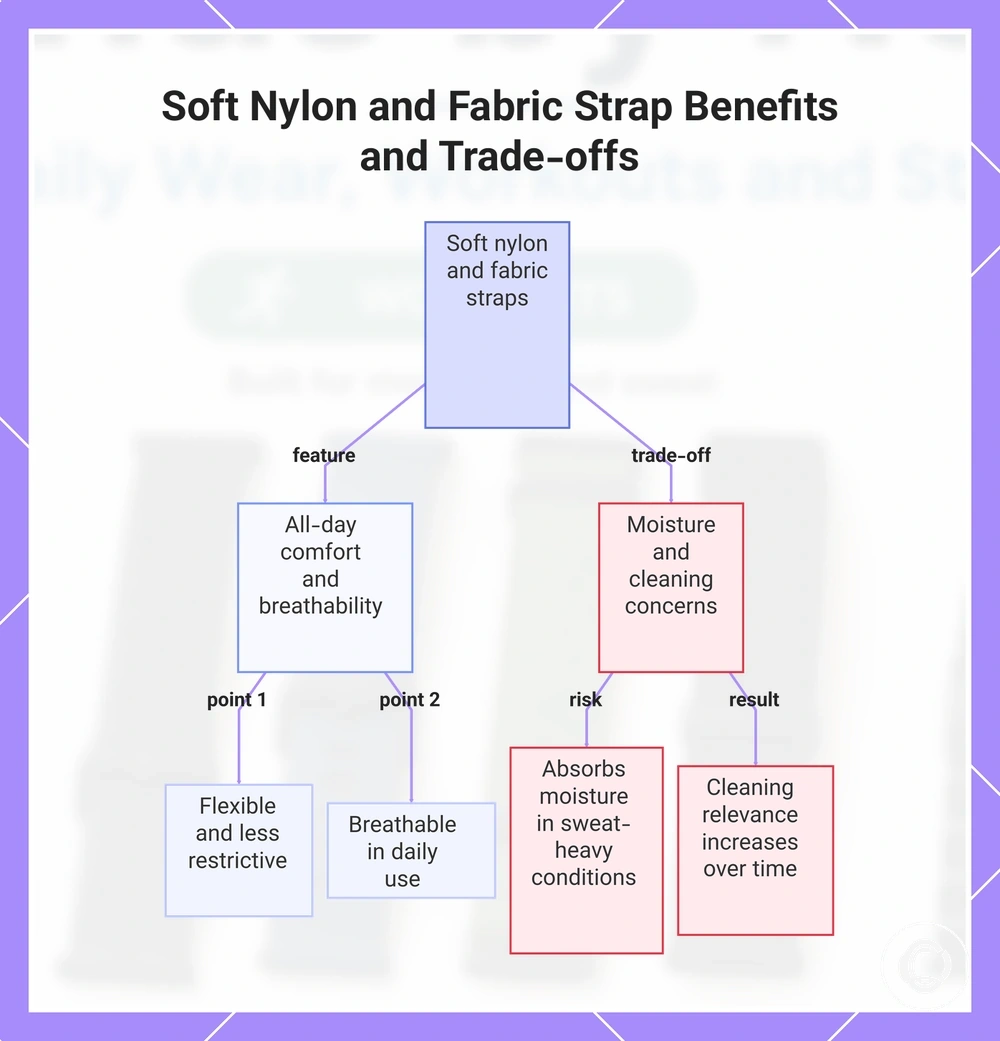
Soft nylon and fabric options often support all-day comfort when flexibility and breathability are priorities during long wear. A soft nylon strap or fabric band can feel less restrictive across extended use, although moisture absorption may become more noticeable when sweat exposure increases and cleaning is infrequent.
During office days, long wear periods or light activity, a woven band can support wrist comfort through softness and flexibility. A fabric strap may also improve breathability in daily use, but moisture absorption can become a greater consideration in sweat-heavy conditions. Within the parent material comparison, soft nylon and fabric options are typically selected for comfort and breathability rather than maximum water handling, while cleaning may become more relevant over time.
This chart shows the key comfort advantages and moisture-related concerns of soft nylon and fabric watch straps.
Silicone, rubber and sport options for active wear
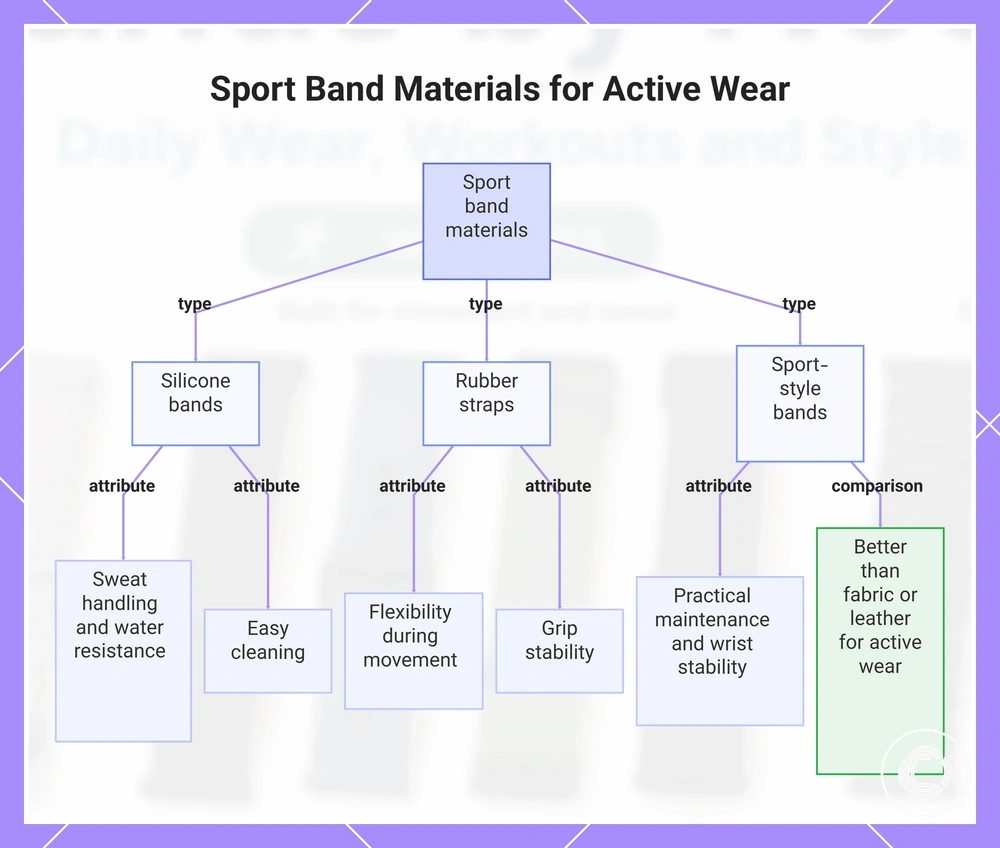
Silicone, rubber and sport-style bands commonly support active wear when sweat handling, grip and movement stability are priorities. A silicone band, rubber strap or sport band may suit workout conditions that involve moisture and repeated movement, although long-wear comfort can still depend on band design, fit and wearer preference.
When sweat, water exposure or frequent movement become part of the use condition, sport-oriented materials are often chosen for practical maintenance and wrist stability. Silicone is commonly associated with sweat handling, water resistance and cleaning, while rubber can provide flexibility and grip during movement. Compared with a fabric band or leather option, a sport strap may be more suitable for active wear in certain conditions, connecting sport material selection back to secure fit and cleaning.
This chart compares silicone, rubber, and sport-style band materials for active wear, showing their key attributes and why sport straps may be better than fabric or leather options.
Leather, metal and slim options for appearance-led wear
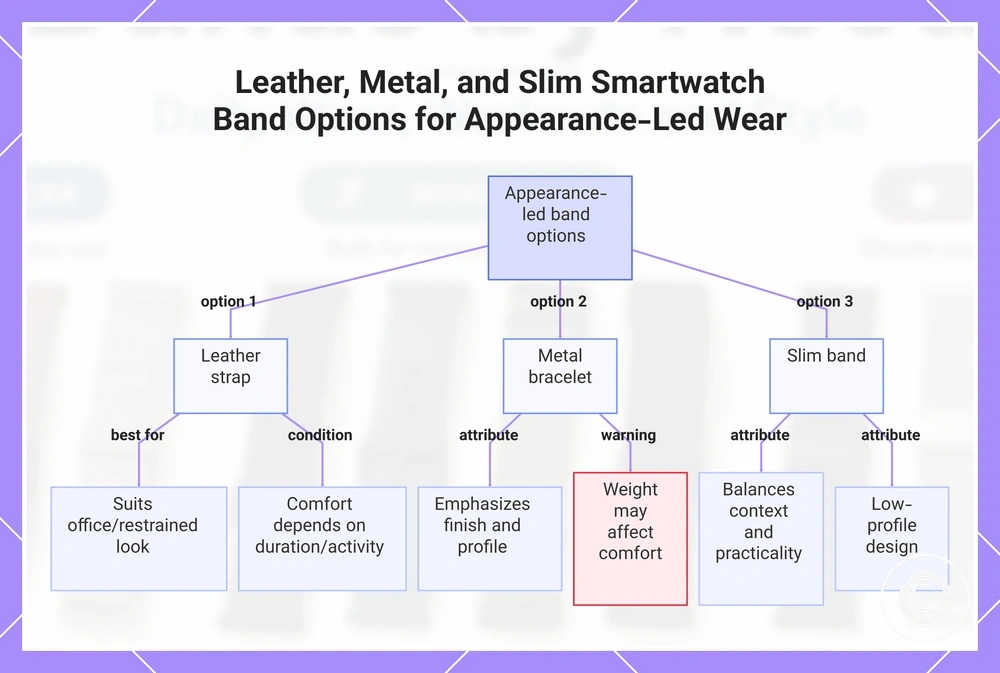
Leather, metal and slim options often fit appearance-led wear when material finish, weight and profile influence smartwatch band selection. A leather strap, metal bracelet or slim band can support a more polished look in a work setting or formal context, although comfort and practicality may still depend on wear duration and activity level.
In an office environment, a leather strap or low-profile band may suit a work setting where a restrained appearance is preferred. In smart-casual and formal situations, a metal bracelet or slim band can emphasize material finish and profile, while additional weight or thickness may affect comfort for extended wear. For example, a metal option may appear more polished than a sport-focused band, while a slim band may balance outfit context and practicality, tying finish, weight and profile back to the parent comparison.
This chart shows the three main band options for appearance-led wear, their best use contexts, and key considerations.
Sport, casual and dress band choices compared by occasion
Sport band, casual band and dress band choices depend on the occasion they need to support and the compromises a wearer is willing to make. A versatile band may cover multiple situations, but occasion-specific needs often change which attributes matter most.
At the gym, a sport band is often chosen for sweat exposure and durability during activity. In an office, a casual band or dress band may place more emphasis on appearance and everyday comfort. Weekend use often favors flexibility, while a formal event may increase the importance of finish and profile, making comfort, durability and style signals more relevant.
Occasion-based choice changes the balance between practical and appearance-related attributes. The comparison below shows how sport, casual and dress band categories relate to gym, office, weekend and formal event conditions, along with the compromises they may involve.
| Band category | Occasion attribute | Condition | Preferred choice or compromise |
|---|---|---|---|
| Sport band | Durability and sweat handling | Gym | May suit active use but can place less emphasis on formal appearance. |
| Casual band | Comfort and versatility | Weekend | May support mixed use without specializing in a single occasion. |
| Dress band | Finish and profile | Office or formal event | May provide a more polished appearance but may be less practical for workouts. |
One versatile band can be a practical decision when daily activities span multiple occasions and compromise is acceptable. A rotation may be more suitable when gym use, office wear and formal event requirements differ significantly, depending on how often each occasion occurs.
Choosing one smartwatch band or rotating bands by need
One smartwatch band can be enough when a versatile band matches most daily activities and occasion requirements. The value of a one-band setup usually depends on frequency of use and how much compromise is acceptable across different situations.
When gym sessions, office wear and formal occasions occur regularly, rotating bands may become more useful. A multi-band setup can allow each band to support a different use pattern rather than forcing one solution across every condition. The value decision often depends on cleaning burden, outfit expectations and replacement risk.
The choice between one smartwatch band and rotating bands is primarily an ownership strategy decision. The matrix below organizes one-band setup and band rotation choices by cost-value attributes, use conditions and likely decision outcomes.
| Ownership strategy | Cost-value attribute | Use pattern condition | Decision outcome |
|---|---|---|---|
| One smartwatch band | Versatility | Similar daily activities and consistent frequency of use | May provide sufficient value when compromise is acceptable. |
| One-band setup | Lower cleaning effort | Limited variation between occasions | May simplify maintenance and selection. |
| Rotating bands | Occasion-specific suitability | Regular gym, office and formal event use | May reduce compromises between different needs. |
| Multi-band setup | Wear distribution | Different wear patterns across occasions | May help manage replacement risk over time. |
Cost-value does not automatically increase with more bands. Rotating bands can add flexibility, but a versatile band may still be the better choice when use conditions remain predictable and simple. Comparing ownership strategy against actual use patterns is often more useful than assuming quantity alone determines value before buying.
When most activities share similar comfort, appearance and maintenance needs, a one-band setup may remain practical. When use patterns vary significantly across occasions, a band rotation can become easier to justify before moving into product-supported discovery and examples.
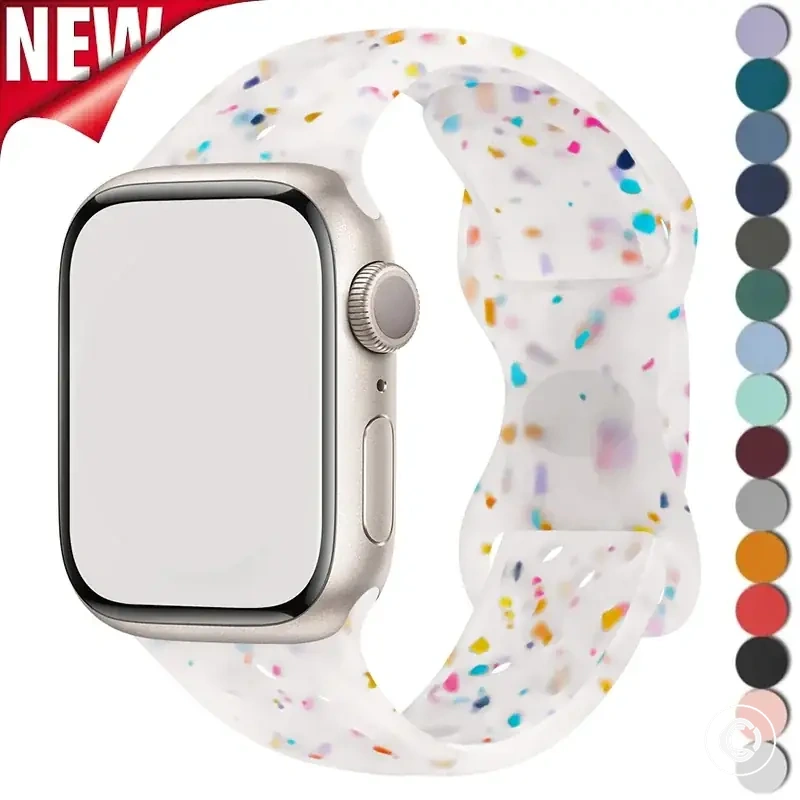
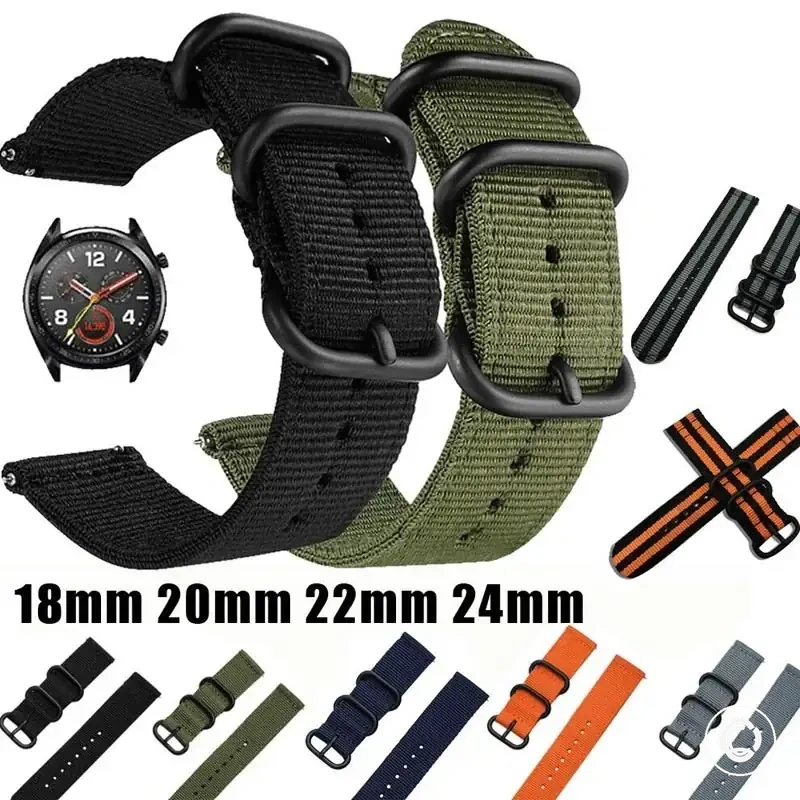
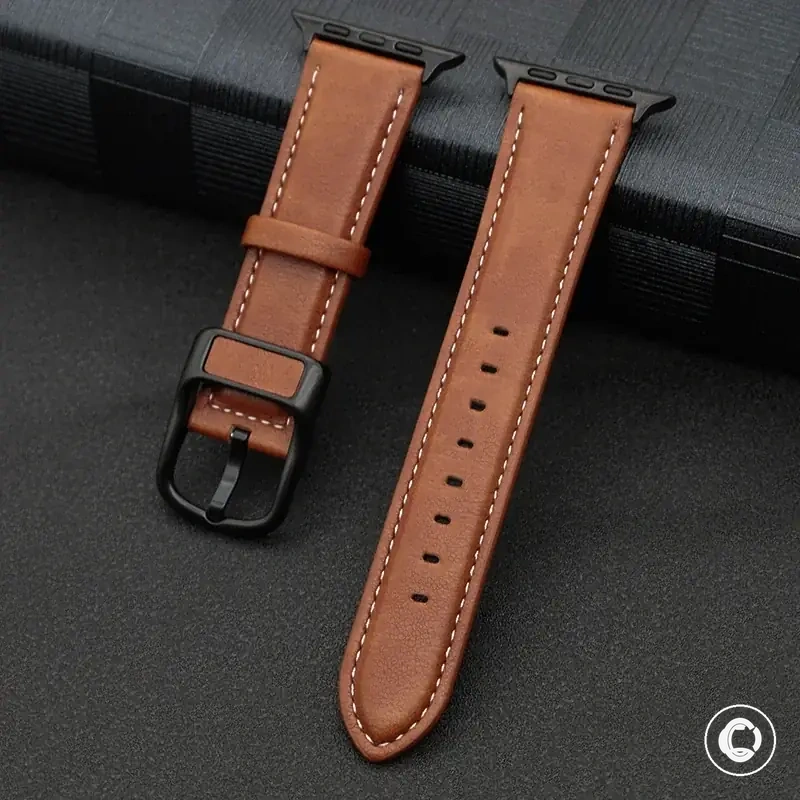
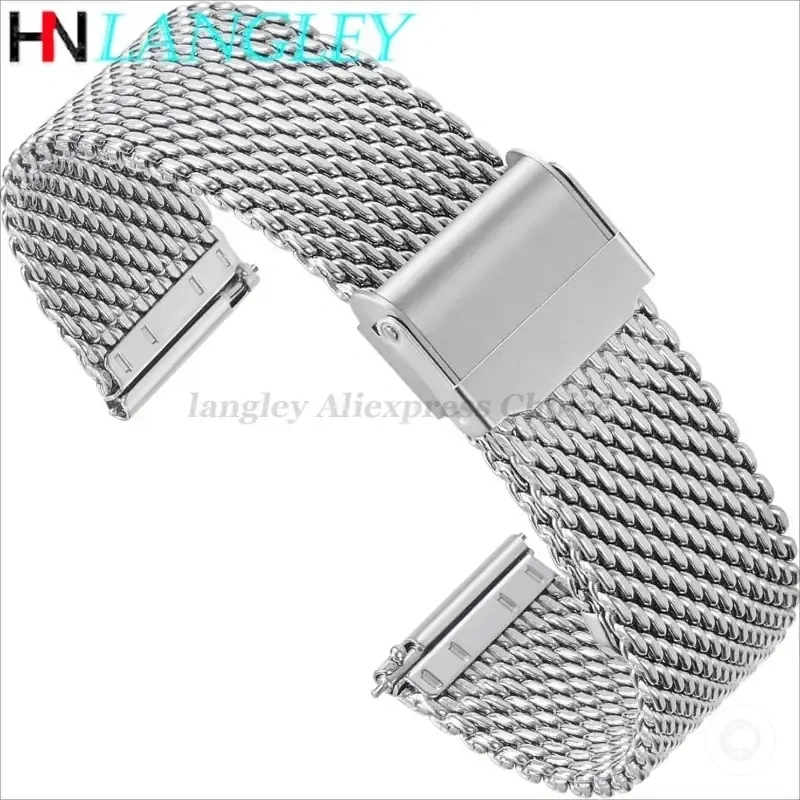
The products below are useful examples for comparing available options. Before buying, check that the compatibility criteria, key features, and product details match your needs.
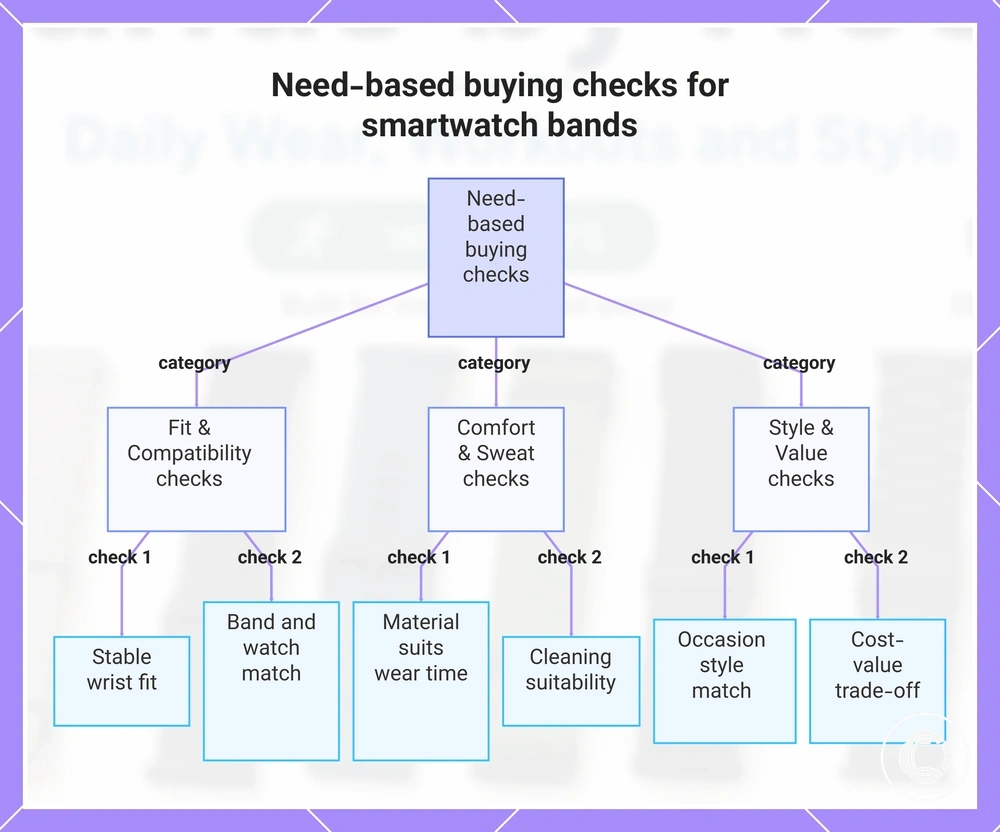
Need-based buying checks before choosing a smartwatch band
Need-based buying checks verify fit, compatibility, comfort, sweat exposure, style match and value before choosing a smartwatch band. These checks reduce the risk of selecting a band that looks suitable but fails in actual use.
Need-based buying checks work best when each verification check is tied to a pass condition and a fail condition. The checklist below verifies the required attribute, the pass signal and the buying decision effect before purchase.
- Check fit: the pass condition is a stable wrist fit with enough adjustment range; if the fit feels too tight or loose, reconsider the size or closure style.
- Check compatibility: the pass condition is a connector, band width and watch model that match; if the match is unclear, do not assume compatibility.
- Check comfort: the pass condition is a material and closure that suit the expected wear time; if pressure points seem likely, choose a softer or more adjustable option.
- Check sweat exposure: the pass condition is a material that suits active use and cleaning needs; if sweat or moisture is frequent, avoid a band that may be difficult to clean.
- Check style match: the pass condition is a band that suits the main occasion or outfit context; if the style conflicts with work, casual or formal needs, adjust the selection.
- Check value: the pass condition is a band that matches frequency of use and replacement risk; if use will be rare or highly demanding, compare the cost-value trade-off before choosing.
A failed check does not always mean the smartwatch band is unsuitable for every wearer. It means the required attribute may not match the intended use condition. When one fail condition appears, adjust the material, fit, style or value expectation before making the final choice.
Use the checklist as final verification rather than a new selection framework. The next checks can narrow the decision further by confirming compatibility and fit before the band is treated as a suitable option.
This chart groups the six need-based buying checks into three categories, each with a specific pass condition to verify before purchasing a smartwatch band.
Watch model, band width and connector fit
Watch model, band width and connector type must match before appearance or material can matter. Compatibility depends on the match condition between the attachment system and the watch, and requirements may vary by watch model.
Compatibility problems can occur when a watch model, lug width or connector type is assumed rather than verified. Check each compatibility attribute separately to confirm the expected fit outcome. The checks below keep compatibility verification aligned with the parent buying checklist.
- Watch model: the match condition is a band intended for the specified watch model; a verified match may support a suitable fit outcome.
- Band width: the match condition is a band width that corresponds with the required lug width; a mismatch may prevent proper attachment.
- Connector type: the match condition is a compatible connector fit and attachment type; style and material should be considered only after compatibility is confirmed.
- Adapter: the match condition is an adapter intended for the watch and band combination; compatibility may depend on the adapter configuration.
- Fit outcome: if any compatibility attribute remains unverified, recheck the watch model, band width or connector type before making a final decision.
This chart shows the three key compatibility attributes to verify when selecting a watch band and the required checks to ensure a proper fit.
Comfort, sweat exposure and outfit match
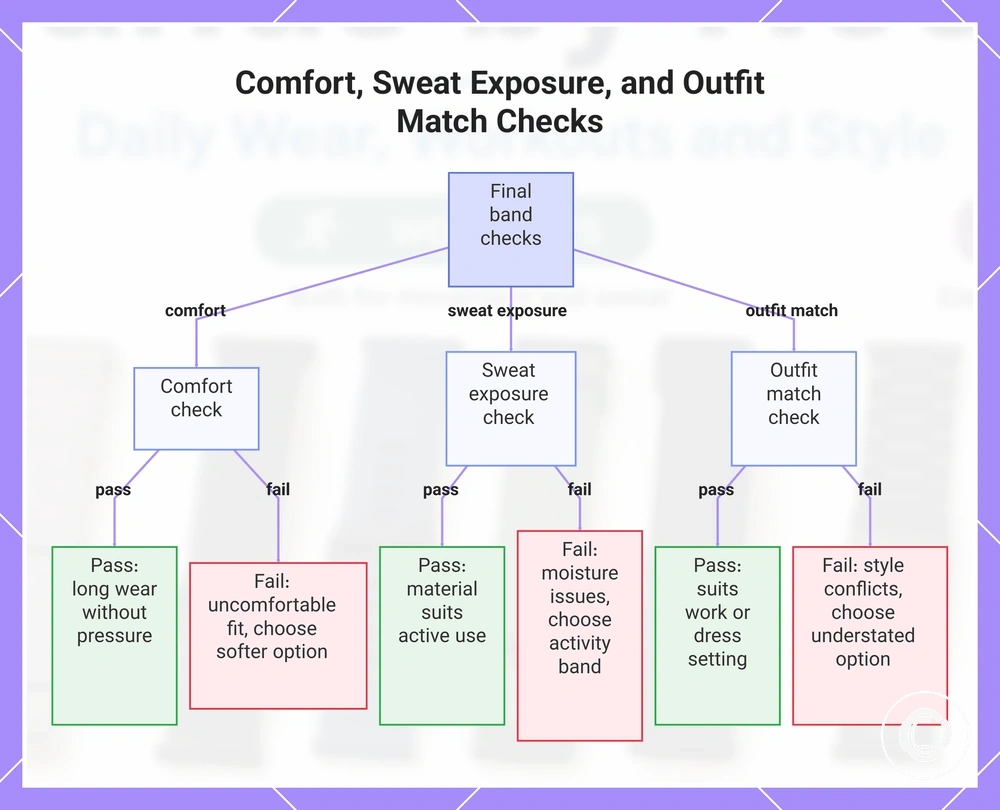
Comfort, sweat exposure and outfit match are the final need-based checks before choosing a band. These checks confirm whether the band’s compromise suits the most frequent wear context.
Comfort, sweat exposure and outfit match prevent the wrong band choice by testing the main use condition before selection.
- Comfort: pass when the band supports long wear without likely pressure problems; fail when fit or material may make extended use uncomfortable; choose a softer or more adjustable option if needed.
- Sweat exposure: pass when the material suits active use and cleaning needs; fail when sweat or moisture may create maintenance problems; choose a more activity-suitable band if needed.
- Outfit match: pass when the band suits the main work setting or dress setting; fail when the style conflicts with the expected occasion; choose a more understated or appearance-led option if needed.
- Compromise: pass when the band handles the most common need well enough; fail when one weakness affects frequent use; choose according to the most repeated condition.
A band can pass the comfort check for long wear and still fail the sweat check for active use. Another band can suit a dress setting but feel less practical for frequent movement. The best choice is the band whose compromises match the most frequent wear context.
This chart shows the three final need-based checks—comfort, sweat exposure, and outfit match—and their pass/fail conditions for choosing a band.